
- Report shows how Runway 2 has driven foreign investment, boosted businesses, fuelled academic collaboration and much more since it opened in 2001
- Businesses across the region have shared their stories of how having true international connectivity on their doorstep has helped them grow
- Political leaders including new Mayor of Greater Manchester Bev Craig and Northern Powerhouse Partnership President Lord Jim O’Neill have backed the runway to continue to drive benefits for the North as a whole and close the UK’s productivity gap
The last runway to be built in the UK has profoundly changed the Northern economy over 25 years and has the potential to deliver and even greater boost in the future, a report out today concludes.
But policy-makers must grasp the “golden opportunity” to create a super-connected global North that makes the most of its new economic strengths and closes the UK’s productivity gap, according to the study: A Route to Growth for the North.
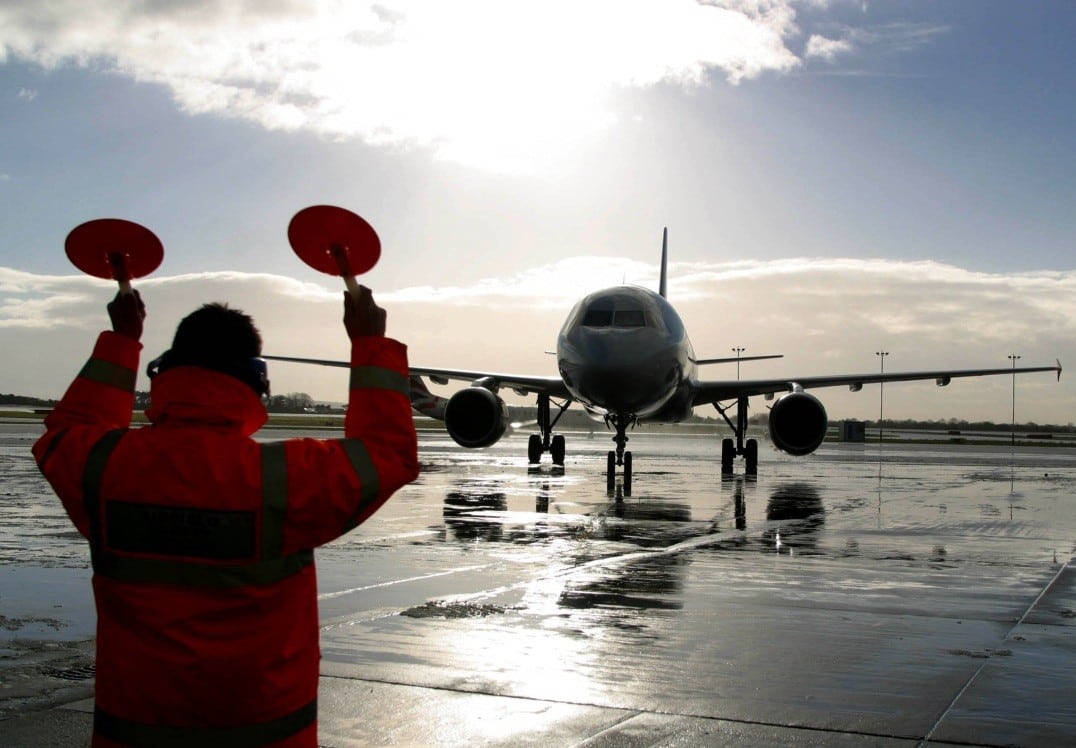
Manchester’s Runway 2 opened in 2001, as part of a response to deep industrial decline across the North that saw its home city lose one in four jobs in the preceding decades.
The £172m investment – delivered in just four years from approval being granted – has seen the airport become a true global gateway that connects the North to more than 200 countries representing 75% of global GDP. Its economic impact on the North has climbed to £9.5bn a year.
Manchester’s connectivity has helped the North became a growing economy, with clusters of high-value industries in all its major cities, the report from economic consultants Metro Dynamics finds. It has seen higher value exports; surging student and visitor numbers; and inward investment increasing as national levels declined over the 25 years since Runway 2 opened.
Manchester’s two runways mean it still has the potential to nearly double passenger numbers from today’s 32.3m – more than twice the number it has added since Runway 2 opened. Report authors say this is a reflection of the untapped potential of the Northern economy as a whole.
Reacting to the findings, business and political leaders said Prime Minister Andy Burnham must press ahead with plans for Northern Powerhouse Rail, saying it would not only help Manchester secure yet more routes to key global markets, but ensure all parts of the North fully benefit from the value that connectivity generates, especially for high-growth industries that rely on global access more than most.
Writing the foreword, economist and life president of the Northern Powerhouse Partnership Lord Jim O’Neill, said Manchester Airport was now “an asset that benefits more than Greater Manchester alone,” adding: “But that ambition needs to be matched by government investment in the transport links that connect the airport to the wider North.”
He said the Northern economy was “showing consistent signs of economic momentum, yet the airport’s potential catchment remains beyond easy reach. Northern Powerhouse Rail is the mechanism that changes that.”
Lord O’Neill concluded: “If our new Prime Minister is to hit his target for UK growth, we need higher productivity overall, and that means closing the North-South divide. International connectivity can make a meaningful contribution to that, and in Greater Manchester’s case it already is. The missing piece is the railway that allows the rest of the North to fully share in those benefits.”
The study includes economic data analysis from WPI Economics showing:
- Foreign Direct Investment (FDI) into the North West grew £6.7bn over the past decade despite UK-wide decline
- Global services trade value in the North West grew by 48% between 2016-2023, reaching £59bn
- The number of North West firms trading globally grew from 8,300 to 13,100 between 2011-2023
- That value of goods trade in the wider North grew by 66% between 2010-2025, compared to 50% in London
- Global research collaborations involving the N8 group of Northern universities saw a 10-fold increase to more than 70,000 in the 25 years covered by the report
- The North West has seen a 122% increase in international visitor numbers since 2022 – the most of any region outside London
- The North West saw 19% of all new commercial land developed in England between 2017-2022
- Industrial land values in the North West grew 48% in the same period – the most in England outside London
MAG CEO Ken O’Toole said: “This demonstrates clearly that when the right conditions are in place to encourage long-term investment in strategic infrastructure, the benefits are transformational and can power a generation of growth and beyond.
“Airports are not just buildings people pass through as they travel for work or leisure – they are a route to growth for regional economies – economic catalysts integral to our success as an island trading nation.
“Investing in Manchester Airport’s runways and terminals required visionary leadership, a culture of public and private sector collaboration and an understanding that infrastructure investment not only creates jobs and value in the short term, but can change the economic trajectory of regions in the long term.
“While Runway 2 shows what is possible, the UK’s overall performance on investment ranks poorly against other major economies. This Government has an opportunity to embed a policy environment that encourages key strategic investments just like this in regions across the UK, as part of its mission to deliver growth in every postcode. That includes delivering on Northern Powerhouse Rail and reforming business taxes to remove barriers to much-needed investment.”
Greater Manchester Mayor Bev Craig said: “Manchester Airport is Greater Manchester’s gateway to the world and one of the North’s great success stories. For 25 years, its second runway has helped connect our businesses, universities and communities to global markets, and has played a major role in our city-region’s reinvention.
“Now we need to make sure more people and places share in that success. Northern Powerhouse Rail, including a high-speed station at the airport, would cut journey times, open up access to jobs and opportunities, and help unlock the North’s full potential. That is the investment our region needs – and the case we will keep making.”
VisitBritain CEO Patricia Yates said: “Manchester Airport is a gateway to the North and a major driver of tourism growth across regional Britain. For many visitors, tourism is their first experience of a place, and regional gateways like Manchester Airport make it easier to discover more of Britain, underpinning our competitive tourism offer and message of welcome.
“By connecting international business and leisure visitors with destinations across the North, the airport supports local businesses, jobs and spending in communities far beyond its own doorstep, while positioning the North as a world-class destination for leisure, study, trade and investment. As this report demonstrates, investing in connectivity delivers benefits far beyond transport alone, boosting economic growth and ensuring tourism continues to be a driver of prosperity for communities across Britain.”
In the report, exporters from North Yorkshire to south Cheshire and Cumbria to Sheffield tell their own growth stories, alongside sports clubs like Lancashire County Cricket Club, universities and other prominent voices such as Sir Richard Leese, former leader of Manchester City Council, and Prof Dame Nancy Rothwell, former Manchester University vice-chancellor and now an Industrial Strategy Council vice-chair.
Joe Manning, Managing Director, Invest Manchester said: “You can say to investors from Asia or North America: establish your business here and run your European operations from Manchester. You don’t need to be in London – you’re already connected to Paris, Frankfurt, Milan, and beyond.”
Victoria Braddock, Managing Director, Marketing Manchester said: “Manchester Airport has played a pivotal role in establishing Greater Manchester as the global gateway to the North of England. Its international connectivity enables us to stand confidently with leading cities around the world and supports the growth of a thriving visitor economy across the region. As Greater Manchester’s profile continues to rise, Manchester Airport remains one of our most important competitive advantages.”