
Andrew Toolan is Head of Financial & Professional Services at Invest Manchester, responsible for attracting companies to Manchester across banking, insurance, fintech and wider professional services.
Banks have found themselves with two AI problems rather than one: they must defend against criminals using AI to launch increasingly sophisticated attacks, while also proving to regulators that the AI they deploy is transparent, controlled and accountable. Although handled by different teams, these challenges increasingly converge within the same risk and governance framework.
That isn’t just a feeling in the market, because in the Bank of England and Financial Conduct Authority’s survey of AI in UK financial services, firms named cyber security as the biggest risk attached to their own use of AI. AI has moved faster than anything else in the sector, and it’s being used by far more people than it was even two years ago: 75% of UK financial services firms now use it in some form, up from 58% in 2022. The more AI a bank is running, the more there is to secure and account for, which is a concern when close to 50% of firms recognise they need to develop a greater understanding of the systems they’re running.
Technology can be purchased and talent can be recruited, but sustained growth becomes difficult without access to a scalable talent pool. As a result, this is increasingly a location decision as much as a budgetary one, and the question that follows is where the best talent wants to live in the UK.
Many leading financial services firms have chosen Manchester as a long-term strategic base because of its talent pool, strong quality of life offer and ability to support sustained growth. BNY, for example, has been in the city for 20+ years, growing from 50 employees to 2,100+ across 30 specialistdepartments, with Manchester now recognised as one of its six strategic growth locations. J.P. Morgan, Barclays, Santander, HSBC, NatWest, Lloyds, OakNorth and Starling also operate significant teams in the city, alongside the major ratings agencies such as S&P Global, Fitch and Moody’s.
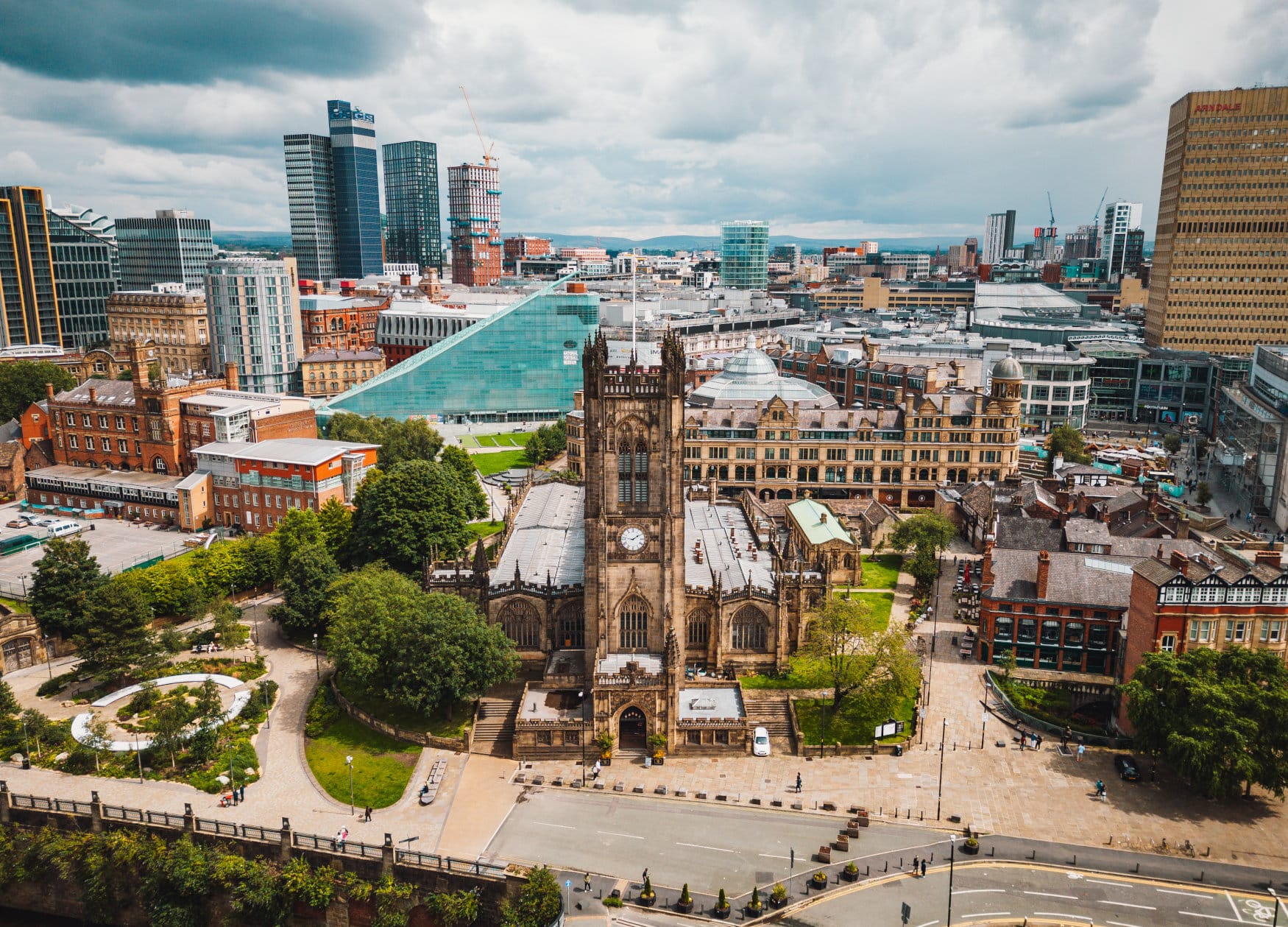
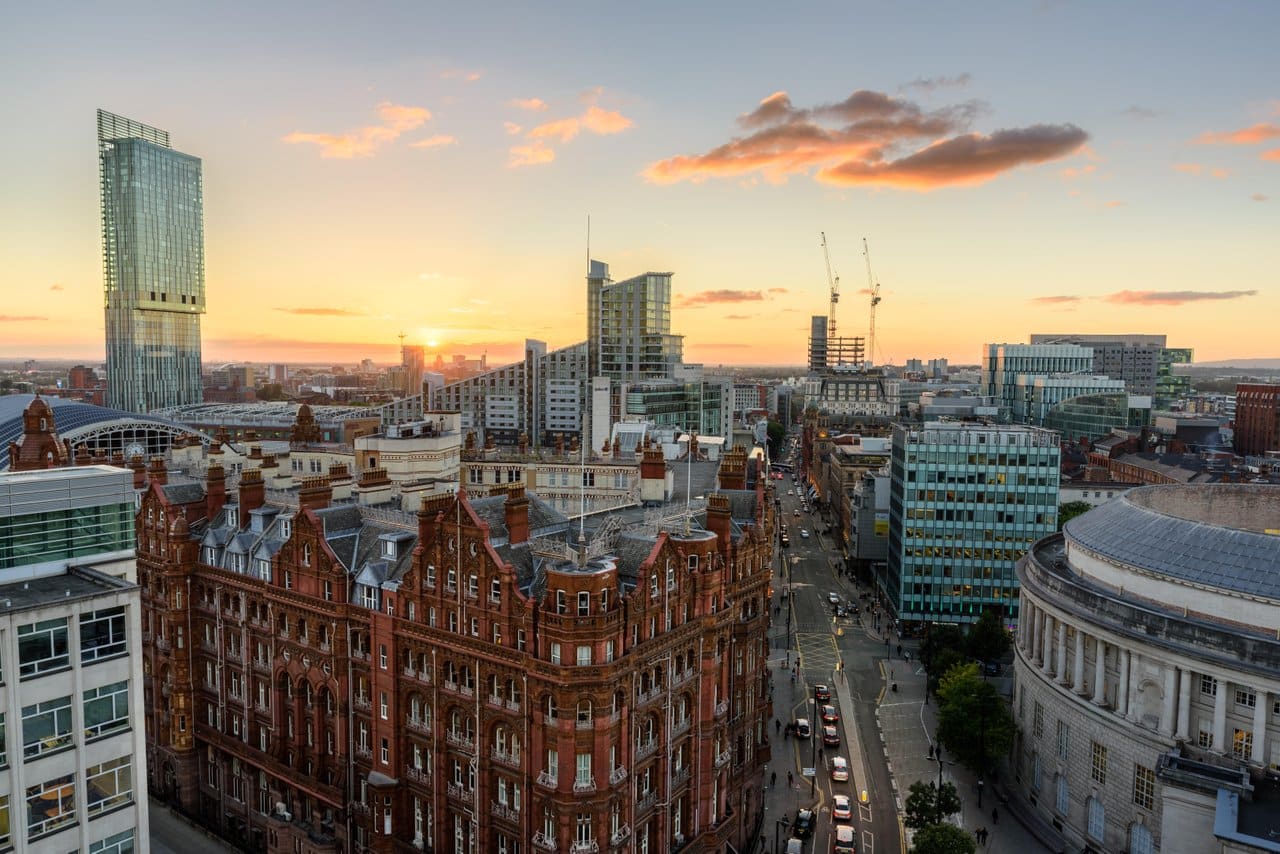
Zopa opened a northern hub with more than 300 jobs last year. Over 60 banks are in the city, and they are all here for the same reasons: access to talent, innovation, and strong partnerships between public and private companies.London maintains its reputation as the global financial capital and, while Manchester may have traditionally been known more for its football, music or cultural assets, it has also been the fastest-growing UK regional economy for the last decade and is becoming a new centre for UK government policy and decision-making.
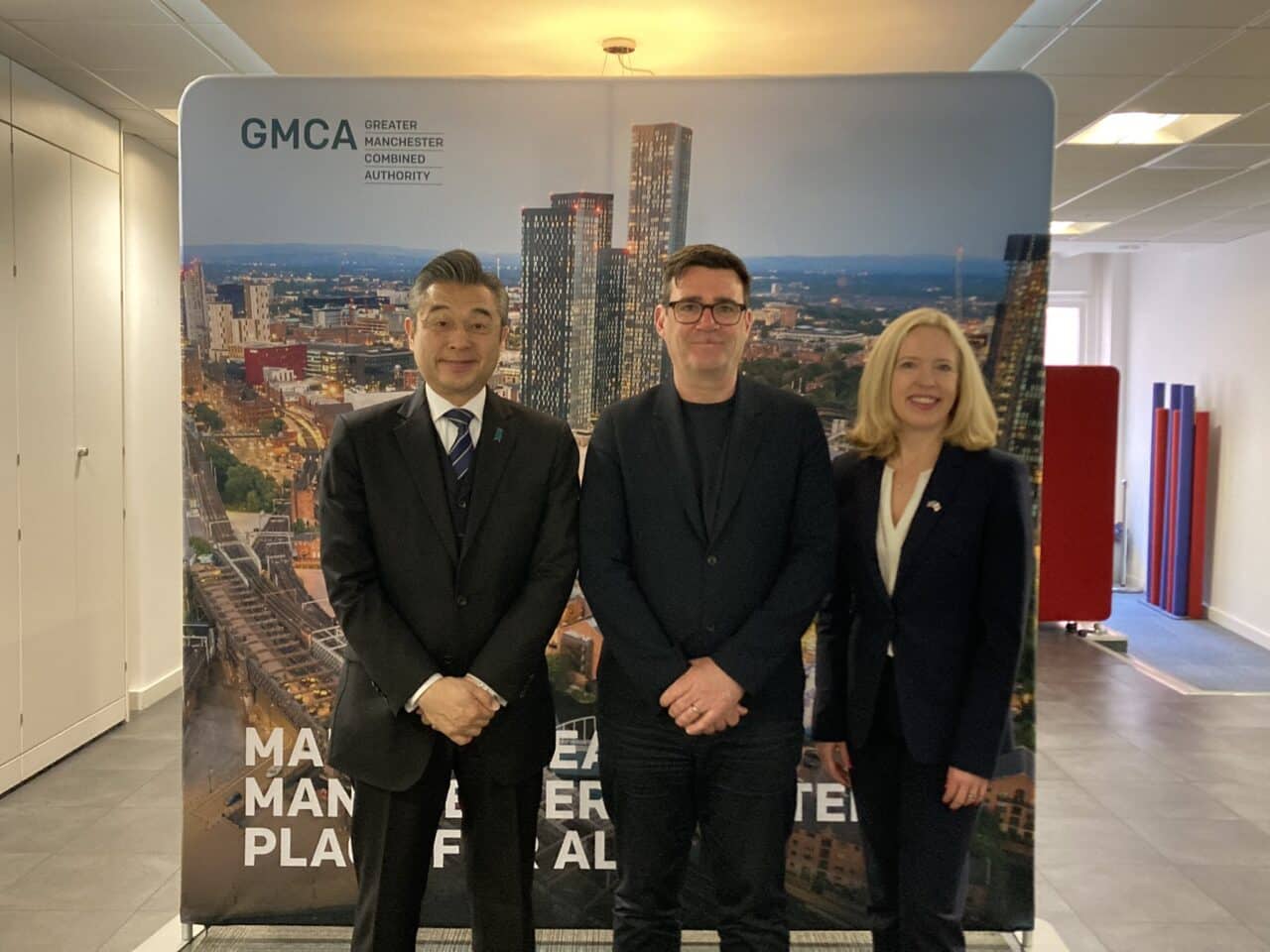
Our new Prime Minister spent key moments of his career in Manchester. Andy Burnham was Mayor of Greater Manchester for nine years before he became Prime Minister, and he’s now looking to replicate Manchester’s success story of growth and a thriving economy for the rest of the country, an approach he calls Manchesterism. One of his first acts was to open No 10 North in Manchester, an extension of Downing Street in a building shared with GCHQ, the UK’s intelligence and cyber security agency.
What makes that useful to a bank is what sits next to it, because Manchester also has the biggest AI and cyber cluster in the UK by number of employees and has been named the most AI-ready city in the country three years running. The people who understand security and the people who understand AI are all in Manchester, and there aren’t many places where that’s the case.
GCHQ has one of its main bases in Manchester, and around 5,800 people work in cyber security here across 177 companies, close to 9% of the UK’s cyber businesses, with names running from BT and Microsoft to Darktrace and NCC Group. NCC Group runs its global business from Manchester with its own testing labs, and Raytheon built a major cyber centre here as part of the UK’s National Security Cyber Division.
Manchester has five universities, including the University of Manchester, which is recognised by the National Cyber Security Centre for its cyber security research. Manchester turns out 1,700 cyber security and computer science graduates a year, and that number is rising by about 15%.
Manchester is 20% more cost-competitive than London, which has led to Manchester becoming the UK’s nearshore location of choice to design, test, build and scale NextGen Financial Services.
Invest Manchester is here to help companies access talent, innovation, assets and partners that they need. If you would like to find out more about what Manchester has to offer, visit Welcome to Manchester – Invest Manchester or connect with me directly at Sibos Miami.